
AI Agents Proposed to Secure Electric Vehicle Charging Infrastructure
Researchers in Spain have developed a novel system using AI agents and blockchain technology to detect and prevent cyber threats and energy theft targeting EV charging stations, aiming to bolster the security of critical energy grids.
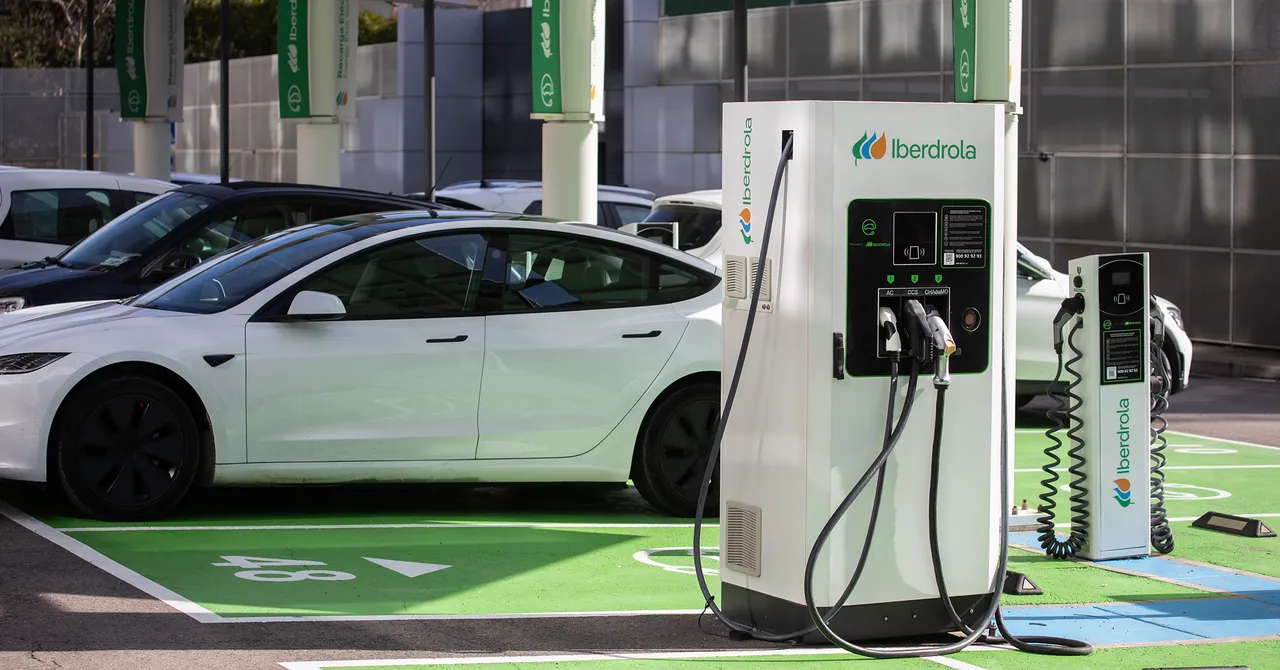
Researchers in Spain have introduced an innovative system that leverages AI agents to enhance the security of electric vehicle (EV) charging infrastructure. The proposed solution aims to combat cyberattacks, prevent energy theft, and safeguard critical energy networks by providing a more comprehensive and collaborative monitoring approach than current methods.
The growing adoption of electric vehicles necessitates a robust and secure charging infrastructure. However, this expansion introduces new cybersecurity risks due to the complex integration of physical and digital components within EV chargers. Cristina Alcaraz, an infrastructure-security researcher at the University of Malaga, highlights that these vulnerabilities can compromise both the continued growth of EV adoption and the stability of national electrical grids.
To address these emerging threats, a team from the NICS lab at the University of Malaga has put forth a proposal to deploy a multi-agent AI system. This system is designed to detect anomalies and potential attacks across charging networks, ensuring early and reliable identification of malicious activities.
Anomalies and Attacks
Current monitoring systems for EV chargers often rely on the Open Charge Point Protocol (OCPP), a widely used standard for managing charging stations. While OCPP enables centralized control, remote monitoring, and management of energy transactions, its existing mechanisms typically focus on isolated network traffic or local events. This limited scope makes it challenging to gain a holistic understanding of potential threats across an entire region of infrastructure. Identifying the precise location of an anomaly, the extent of compromised components, and the potential spread of an attack remains difficult.
The Spanish researchers propose a system where multiple AI agents are embedded within each charging station or critical network component. These agents are tasked with analyzing their immediate environment, gathering data, and collaborating with other agents to build a comprehensive, real-time overview of the infrastructure’s status.
“Each agent assesses the status of chargers, communications, and connected devices to detect anomalies, operational failures, or potential security incidents,” explained Alcaraz, the lead author of the study. “These agents, which are connected to a central-monitoring system, compare the information obtained locally with that of nearby stations, providing a more complete, accurate, and contextualized collaborative view of the situation.”
Consensus and Validation
A novel aspect of the proposed system is its use of a consensus mechanism based on opinion dynamics. This approach, inspired by how humans reach agreements through social network interactions, allows AI agents to share observations and progressively refine their assessments to achieve a collective understanding. According to the researchers, this method helps reduce the occurrence of false positives and enables the detection of anomalies that might be missed by purely local analysis.
Furthermore, the architecture incorporates blockchain technology as a trust and validation layer. All transactions and interactions between the agents are recorded on an immutable distributed ledger, ensuring the integrity and traceability of the system’s operations.
Simulated Testing and Results
The multi-agent system was tested in a simulated environment compliant with OCPP standards. During these experiments, the AI agents were exposed to various simulated anomalies, including component failures, communication link errors, and scenarios requiring a coordinated response. The agents successfully identified local disturbances, shared their findings, and collaborated to form a shared understanding of each incident.
The results demonstrated that the combination of AI agents, the distributed consensus mechanism, and blockchain technology provided a global perspective of the network. The system was capable of detecting both specific anomalies within individual devices and broader behavioral patterns affecting multiple charging stations. The consensus mechanism, in particular, improved diagnostic accuracy by cross-referencing observations from different agents, thereby increasing the reliability of the reported findings.
The research, published in the International Journal of Critical Infrastructure Protection, signifies a promising step towards better protecting the rapidly expanding EV charging infrastructure. The university lab expressed satisfaction with the outcomes, stating, “This system provides a new way to guarantee the protection of electric-vehicle charging infrastructure.”
Key facts
| Feature | Description |
|---|---|
| Development Location | University of Malaga, Spain |
| Core Technology | AI Agents, Opinion Dynamics (Consensus), Blockchain |
| Protocol Supported | Open Charge Point Protocol (OCPP) |
| Primary Goal | Detect and prevent cyberattacks, energy theft, and infrastructure damage to EV chargers |
This development is crucial for ReviewArticle readers as it addresses a growing cybersecurity concern within the burgeoning electric vehicle sector. The integration of AI agents and blockchain offers a potential blueprint for securing critical energy infrastructure, a topic highly relevant to advancements in cloud AI, automation, and agentic systems. The findings highlight practical applications of AI in safeguarding essential services against evolving threats.
Source: Wired AI, https://www.wired.com/story/researchers-in-spain-show-how-ai-agents-can-protect-ev-chargers/
Source
Wired AI Publicacion original: 2026-06-13T06:30:00+00:00
Related articles
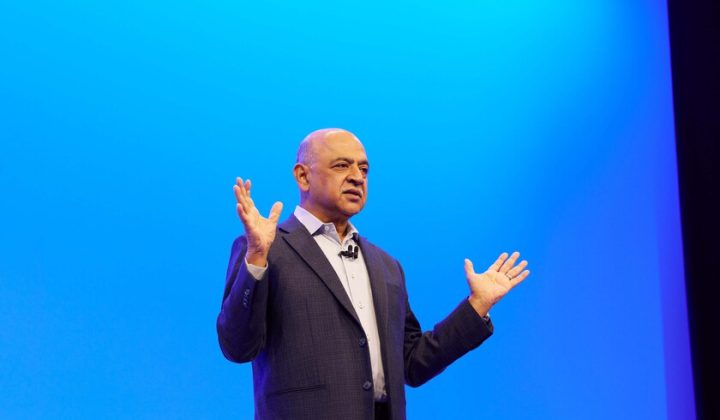
IBM CEO Puts a Number on the Open-Weight AI Value Proposition: 90% of the Performance at 10% of the Token Cost
IBM CEO Arvind Krishna told analysts that open-weight models now deliver about 90% of frontier-model effectiveness while costing between 10% and 25%…
Read article
OCU Finds Spanish Homeowner Communities Overpaying Up to €1,500 on Electricity and €3,515 on Gas—Can AI Tools Optimize Shared Energy Bills?
A new OCU analysis of Spanish homeowner community bills reveals widespread overpayment due to non-competitive tariffs and excess contracted power. Could AI-driven…
Read article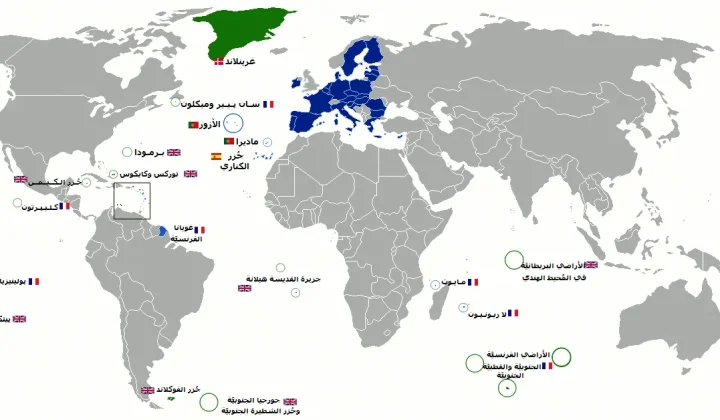
Mayotte fiber dispute does not meet ReviewArticle’s AI news brief
Le Monde reports that France’s competition authority has ordered Orange to suspend part of its fiber-optic rollout in Mayotte. The dispute is…
Read article
DiffEEG Model Uses Diffusion Pre-Training to Improve Seizure Detection from Minimal Labeled Data
Researchers have introduced DiffEEG, a 9.6-million-parameter foundation model that combines denoising diffusion pre-training with reinforcement learning fine-tuning to detect seizure events from…
Read articleWiki relacionada

AI Model API Pricing and Context Window Comparison: Current Rates and Limits
Compare the latest API pricing, context windows, and capabilities of leading AI model providers including OpenAI, Anthropic, Google, and Mistral. Practical guidance…
Read article
AI Agent Evaluation Frameworks: How to Benchmark Agentic Systems
A practical guide to evaluating AI agents — from task completion metrics to safety, cost, and robustness. Covers major frameworks, primary sources,…
Read article
LLM Benchmarks Decoded: What MMLU, HumanEval, and GSM8K Actually Measure for Developers
A developer-focused breakdown of the most-cited LLM benchmarks — MMLU, HumanEval, GSM8K, MATH, Chatbot Arena — including what they test, their hidden…
Read article
What Is RAG? A Practical Guide to Retrieval-Augmented Generation in 2025
Retrieval-Augmented Generation (RAG) grounds LLM outputs in external data, reducing hallucinations and enabling enterprise use cases. This guide covers how RAG works,…
Read article