
New Studies Challenge Long-Held Beliefs About Adult Milk Consumption
Recent research suggests that milk may be beneficial for adults, contrary to decades of prevailing advice that demonized its consumption.
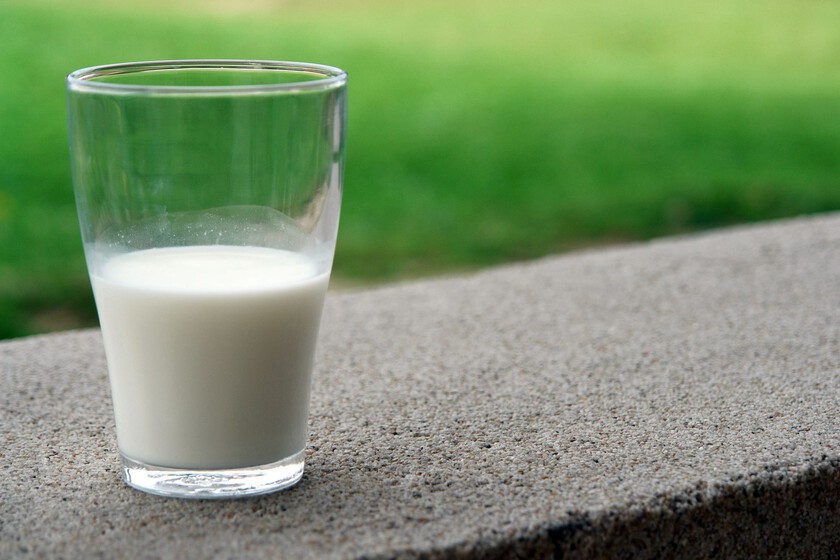
For years, the narrative surrounding milk consumption for adults has been largely negative. Many have been led to believe that dairy is unnatural for adults, a contributor to high cholesterol, or even a risk factor for cancer. However, a growing body of recent scientific research is beginning to challenge these long-standing beliefs, suggesting that milk might, in fact, offer benefits for adult health.
Debunking Lactose Intolerance Myths
One of the most common arguments against adult milk consumption is that humans are the only mammals to continue drinking milk after infancy. While it’s true that a portion of the global population loses the ability to digest lactose after childhood, experts point out that many others retain this ability throughout their lives due to genetic adaptations. This suggests there isn’t a universal biological reason for all adults to avoid milk solely based on lactose intolerance.
Scientific studies support this nuanced view. A population study conducted in Galicia, Spain, involving 850 individuals, found that while 38% experienced alterations in lactose metabolism, symptomatic intolerance dropped significantly when physiological amounts were consumed. For instance, only 2% reported symptoms after drinking a glass of milk, and 8% after consuming yogurt. This indicates that for many, moderate dairy intake is well-tolerated.
Mortality and Cardiovascular Health
Another prevalent myth is that dairy consumption increases the risk of mortality and cardiovascular diseases in adults. However, evidence is increasingly pointing in the opposite direction. A comprehensive review published in 2021 found no support for the claim that milk is detrimental to health, noting that its impact is generally neutral and often favorable in various scenarios.
Further refining this understanding, a 2026 meta-analysis, which examined 29 cohorts and over 1.6 million participants, identified a U-shaped association between dairy intake and lifespan. The research suggests an optimal consumption range of 250 to 300 grams per day for potential benefits.
Cancer Risk Re-evaluation
The link between dairy and cancer has been a frequent topic of debate online. However, the latest reviews suggest a different outcome, with some studies indicating that dairy consumption may actually reduce the risk of certain cancers, including colorectal, bladder, liver, oral cavity, ovarian, and breast cancers.
Calcium Bioavailability and Absorption
With the rise of plant-based diets, claims that certain vegetables or plant-based milks offer comparable or superior calcium content to cow’s milk have become common. However, the concept of bioavailability and food matrix is crucial here. A 2024 study measuring actual calcium assimilation demonstrated that dairy products have a bioaccessibility rate of 19-34%, significantly higher than plant-based alternatives, which ranged from 5-20%. This is attributed to the presence of lactose and casein peptides in milk acting as a vehicle for calcium absorption in the intestine. Additionally, many calcium-rich vegetables contain phytates and oxalates, compounds that can hinder calcium absorption.
Protein Quality
From a protein perspective, dairy stands out. Using the DIAAS (Digestible Indispensable Amino Acid Score) index, dairy proteins consistently score above 1, signifying excellent digestibility and a complete profile of essential amino acids, surpassing most plant-based protein sources.
Key Facts
| Aspect | Findings |
|---|---|
| Lactose Intolerance | Symptomatic intolerance is low with moderate consumption; many adults retain lactose digestion ability. |
| Mortality | No evidence of increased mortality; optimal consumption may be linked to 250-300g daily. |
| Cancer | Dairy consumption may reduce the risk of several types of cancer. |
| Calcium Absorption | Dairy offers significantly higher calcium bioavailability compared to plant-based alternatives. |
| Protein Quality | Dairy proteins have a high DIAAS score, indicating excellent digestibility and essential amino acid content. |
This shift in scientific understanding is important for consumers who have been influenced by decades of advice to avoid dairy. As research evolves, individuals may reconsider their dietary choices based on these new findings.
Source: Llevamos años escuchando que los adultos no tienen que beber leche. Los últimos estudios dicen todo lo contrario, Xataka, https://www.xataka.com/medicina-y-salud/llevamos-anos-escuchando-que-beber-leche-innecesario-contraproducente-ultimos-estudios-dicen-todo-contrario
Source
Xataka IA Publicacion original: 2026-07-18T19:00:08+00:00
Related articles

Nepal’s “Flood-Proof” Google Maps Landmark Is Not a Verified Safety Rating
A house that survived a destructive Himalayan flood reportedly appeared on Google Maps as a “flood-proof” attraction. The viral label should not…
Read article
Perplexity Deploys GPT-6 Astra for End-to-End Production and Communication Systems
Perplexity has integrated OpenAI’s GPT-6 Astra to handle communications, software changes, and production monitoring, reducing the need for frequent human check-ins compared…
Read article
Privacy Reports Put AI Smart Glasses Under Scrutiny in France
French association e-Enfance says it has received more than 20 reports involving women allegedly recorded without their knowledge by connected glasses, bringing…
Read article
Snowflake Publishes GTM Blueprint for Closing the AI-to-Revenue Gap
Snowflake’s sales and marketing teams share a repeatable RAMP framework and four revenue leaks they fixed to turn AI pilots into measurable…
Read articleWiki relacionada

AI Model API Pricing and Context Window Comparison: Current Rates and Limits
Compare the latest API pricing, context windows, and capabilities of leading AI model providers including OpenAI, Anthropic, Google, and Mistral. Practical guidance…
Read article
AI Agent Evaluation Frameworks: How to Benchmark Agentic Systems
A practical guide to evaluating AI agents — from task completion metrics to safety, cost, and robustness. Covers major frameworks, primary sources,…
Read article
LLM Benchmarks Decoded: What MMLU, HumanEval, and GSM8K Actually Measure for Developers
A developer-focused breakdown of the most-cited LLM benchmarks — MMLU, HumanEval, GSM8K, MATH, Chatbot Arena — including what they test, their hidden…
Read article
What Is RAG? A Practical Guide to Retrieval-Augmented Generation in 2025
Retrieval-Augmented Generation (RAG) grounds LLM outputs in external data, reducing hallucinations and enabling enterprise use cases. This guide covers how RAG works,…
Read article