
Thymus Gland’s Crucial Role in Longevity and Health Revealed
New research published in Nature indicates the thymus gland, long considered vestigial in adulthood, plays a significant role in lifespan, cardiovascular health, and cancer response.

For decades, a small gland nestled in the chest behind the sternum, known as the thymus, has been largely disregarded in adult medicine. Traditional medical education posited that while vital for immune system development in childhood, the thymus atrophies and turns into fat as individuals mature, rendering it functionally insignificant in later life. However, a significant paradigm shift is underway, driven by new research that highlights the thymus’s crucial, ongoing role in adult health, longevity, and disease response.
A groundbreaking study published in the esteemed journal *Nature* has demonstrated that the health of the thymus in adulthood is not only relevant but is a critical determinant in predicting an individual’s lifespan, the state of their cardiovascular health, and their capacity to respond to cancer treatments. This research challenges long-held assumptions and opens new avenues for preventative and personalized medicine.
The impetus for this re-evaluation stems from observations of increased all-cause mortality in individuals who had their thymus removed (thymectomy) compared to those with a healthy thymus. This stark correlation prompted researchers to investigate the true impact of this seemingly dormant organ.
Investigating Thymic Health
A team of researchers embarked on a mission to quantify the impact of thymic health by analyzing computed tomography (CT) scans of numerous individuals. This initiative leveraged data from the National Lung Screening Trial, which comprises over 25,000 patients. By correlating the condition of the thymus with participants’ medical histories and longevity data, the study yielded results that surprised even the investigators. They noted that the magnitude of the thymus’s clinical impact was far greater than anticipated for such a small organ.
The analysis focused on calculating “thymic health” by assessing the remaining functional tissue and the degree of fatty infiltration within the gland. This metric, derived from standard medical imaging, proved to be a powerful predictor of various health outcomes.
Reduced Mortality and Improved Cardiovascular Health
The study’s findings indicate a direct association between maintaining good thymic health and a reduced overall mortality rate. This suggests that a well-functioning thymus in adulthood contributes to a longer life.
Surprisingly, the research also established a link between a healthy thymus and a lower incidence of cardiovascular mortality. While the precise mechanisms are still under investigation, it is hypothesized that thymic function may influence systemic inflammation or contribute to the production of factors that protect cardiovascular tissues.
Revolutionary Insights in Oncology
The implications for oncology are particularly profound. The data revealed a clear correlation between a healthy thymus and a reduced incidence of lung cancer. More remarkably, patients undergoing immunotherapy who possess a healthy thymus demonstrate a significantly better response to treatment. Furthermore, these individuals appear to have a lower risk of cancer recurrence.
This suggests that the thymus’s role in immune function extends beyond childhood, continuing to support the immune system’s ability to detect and eliminate cancerous cells throughout adulthood. A robust thymus may enhance the efficacy of immune-based therapies by providing a stronger foundation for immune surveillance and response.
Key facts
- Thymus Function: Crucial in adulthood, not just childhood.
- Longevity: Healthy thymus associated with increased lifespan.
- Cardiovascular Health: Linked to lower cardiovascular mortality.
- Cancer Response: Improves response to immunotherapy and reduces recurrence risk.
Implications for Preventive Medicine
The concept of “thymic health” is poised to become a significant parameter in personalized medicine. By assessing an individual’s thymic status, clinicians may gain valuable insights into how that patient will respond to various treatments, including cancer therapies and potentially other immune-modulating interventions.
Moreover, monitoring the degradation of the thymus over time could offer a proactive approach to identifying individuals at higher risk for autoimmune diseases. Early detection of thymic decline might allow for timely interventions to prevent or mitigate the onset of such conditions, aligning with the growing emphasis on predictive and preventive healthcare strategies.
Future Directions and Next Steps
While these findings are compelling, further research is necessary to fully elucidate the mechanisms by which the thymus influences adult health. Studies are likely to focus on identifying specific thymic outputs—such as hormones or immune cells—that contribute to these observed benefits. Understanding these pathways could lead to therapeutic strategies aimed at rejuvenating or supporting thymic function in aging populations or in individuals with compromised immune systems.
The integration of thymic health assessment into routine medical check-ups, particularly for individuals with a history of cancer or cardiovascular disease, could become a standard practice. This would allow for a more holistic approach to patient care, considering the thymus as a vital organ for long-term health and well-being.
Source: Llevamos décadas ignorando un órgano porque lo creíamos inútil. Ahora han visto que es crucial en nuestra longevidad, Xataka, https://www.xataka.com/medicina-y-salud/llevamos-decadas-ignorando-organo-porque-creiamos-inutil-ahora-han-visto-que-crucial-nuestra-longevidad
Source
Xataka IA Publicacion original: 2026-05-23T19:01:34+00:00
Related articles

Off-Topic Source: Shipwreck Archaeology Story Lacks AI Angle – Not Suitable for ReviewArticle
The submitted article on a 17th-century Dutch merchant shipwreck and gold coins has no AI or technology angle and cannot be published…
Read article
Context Bombing Turns AI Refusal Mechanisms Against Attackers in New Anti-Prompt Injection Defense
Tracebit’s “context bombing” technique places prohibited text next to fake credentials, causing attacking AI agents to trigger their own safety refusal and…
Read article
How AI Editing Tools and Reddit IP Discovery Are Reshaping Content Creation
The superhero era is fading. YouTube‑born creators are producing hit content using AI‑powered editing tools, audience analytics, and Reddit as a real‑time…
Read article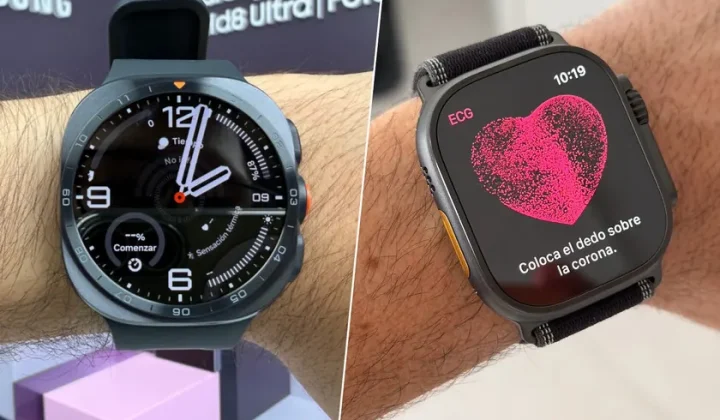
Samsung Galaxy Watch Ultra2 and Apple Watch Ultra 3 Bring AI Assistants and Health Sensors to Premium Wearables
Samsung’s Galaxy Watch Ultra2 and Apple’s Watch Ultra 3 both pack AI-powered health sensors and voice assistants, but the Samsung model adds…
Read articleWiki relacionada

What Is a Context Window in AI Models? A Practical Guide
Understand how context windows define the memory and reasoning scope of large language models, with real limits, comparisons, and practical implications for…
Read article
AI Model Evaluation Benchmarks: A Practical Guide for Developers
Compare AI models with confidence. This guide explains the most common benchmarks—MMLU, HumanEval, GPQA, and others—what they measure, their limits, and how…
Read article
AI Agent Evaluation Benchmarks: What They Measure and How to Use Them
A practical guide to the major benchmarks for evaluating AI agent performance, including GAIA, AgentBench, and WebArena, with source-backed comparisons and limitations.
Read articleUnderstanding Retrieval-Augmented Generation (RAG) in AI
Retrieval-Augmented Generation (RAG) combines large language models with external knowledge bases, allowing AI systems to generate more informed and accurate responses by…
Read article