
Nvidia Unveils RTX Spark: A New Era for Windows PCs with ARM-Based AI Chips
Nvidia is entering the Windows PC market with its new RTX Spark chip, a powerful ARM-based SoC designed to compete directly with Apple Silicon and Qualcomm Snapdragon X, aiming to usher in a new era of efficient AI processing on laptops.
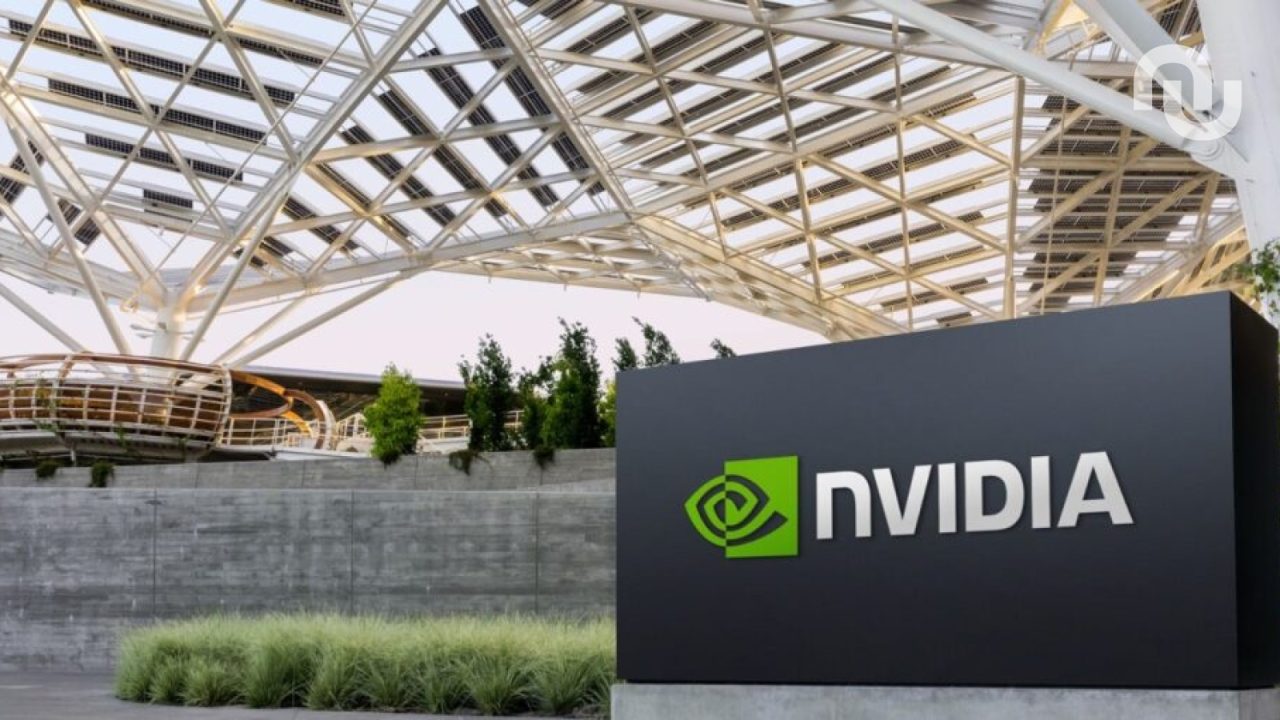
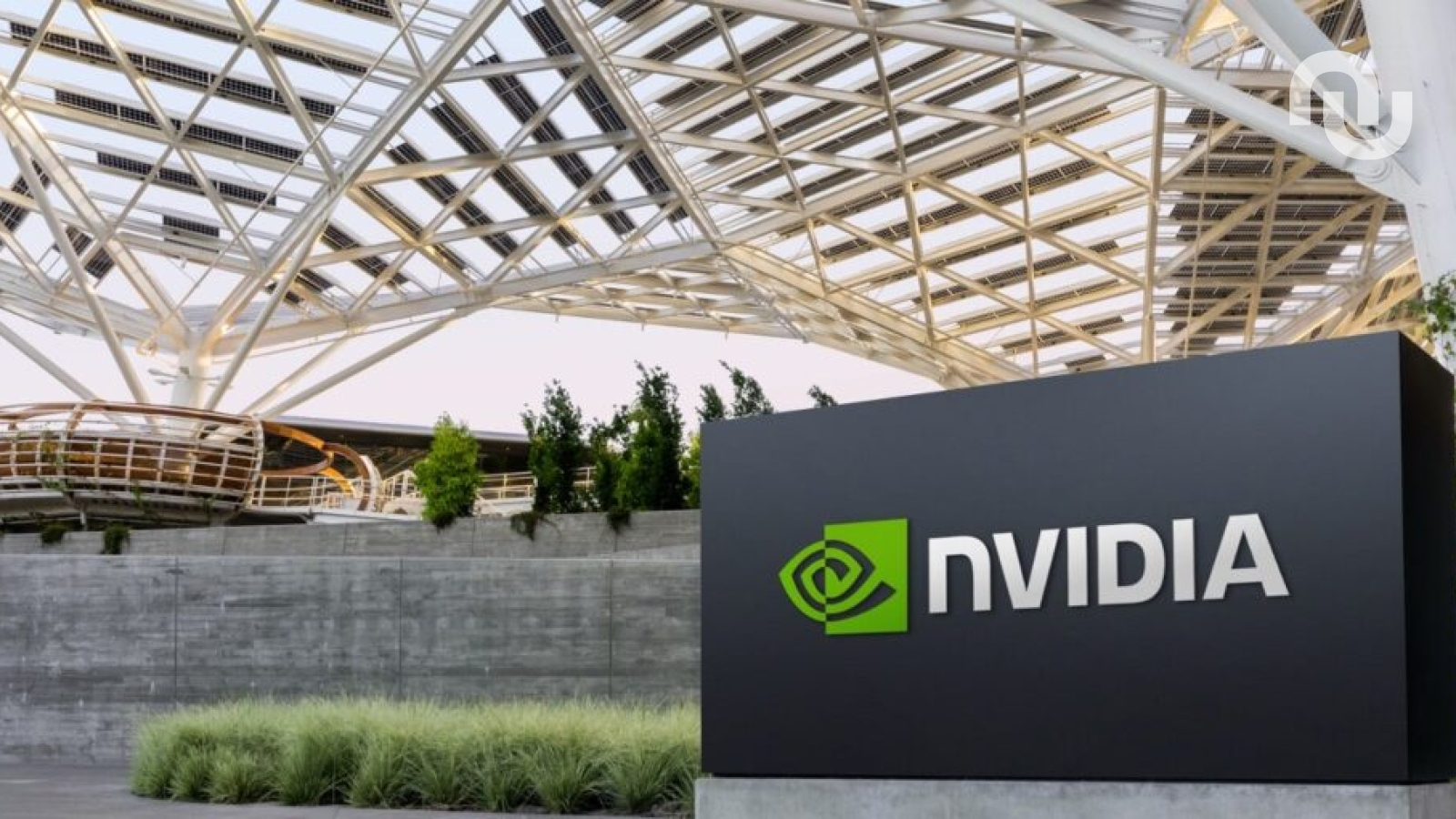
Nvidia has announced its ambitious entry into the Windows PC market with the RTX Spark, a new ARM-based System on a Chip (SoC) designed to rival the performance and efficiency of Apple Silicon and Qualcomm’s Snapdragon X processors. The chip, developed in partnership with MediaTek, aims to usher in “a new era for PCs” by bringing powerful, energy-efficient AI capabilities directly to laptops.
The RTX Spark represents a significant strategic move by Nvidia, a company long dominant in discrete GPUs, to capture a larger share of the personal computing market. Following teasers from Nvidia and Microsoft about a “new era for PCs,” and months of speculation about Nvidia’s N1 and N1X chips, the RTX Spark has now been officially revealed.
Nvidia’s Ambitious AI Chip for Laptops
The RTX Spark is a 3nm SoC that integrates Nvidia’s Blackwell RTX GPU with a custom-designed, 20-core Grace CPU, featuring a hybrid architecture of 10 performance cores and 10 efficient cores. This collaboration with MediaTek builds upon their previous work, with the RTX Spark being a portable adaptation of the GB10 chip found in Nvidia’s DGX Spark AI computer.
Nvidia claims the RTX Spark is “the most efficient PC chip ever designed.” Its graphics capabilities are reportedly on par with a mobile RTX 5070, but with significantly lower power consumption. Crucially, the chip is engineered to run large artificial intelligence models locally, directly challenging Apple’s M-series chips for Macs.
Key Features and Performance
On paper, the RTX Spark appears poised to compete with high-end ARM processors like the Apple M5 Pro/Max and Qualcomm’s Snapdragon X. Initial models featuring the RTX Spark are expected to be thin and light laptops offering all-day battery life. Nvidia’s goal is to disrupt the long-standing duopoly of Intel and AMD in the PC market and propel Windows onto the ARM ecosystem, building on earlier attempts by Qualcomm.
A standout feature is the unified memory architecture, which can support up to 128GB of RAM on this initial chip. This design, similar to Apple Silicon, allows the CPU, GPU, and Neural Processing Unit (NPU) to share RAM seamlessly, eliminating the need to differentiate between system RAM and VRAM. Nvidia states that this unified memory enables RTX Spark-powered PCs to run AI models with up to 120 billion parameters locally.
AI and Autonomous Agents
Nvidia envisions these laptops continuously running tasks in the background, even when the user is not actively engaged, through the integration of autonomous agents. To address privacy concerns associated with such continuous operation, Nvidia is collaborating with Microsoft on new Windows security features and a proprietary environment called Open Shell. This initiative aims to confine AI agents within secure enclaves, protect personal data, and give users granular control over what data remains local versus what is sent to the cloud. This focus on secure AI agents is a strategic area where Nvidia believes it is gaining an advantage over Apple and Qualcomm.
Market Entry and Partnerships
Further details about the RTX Spark are anticipated around the Microsoft Build conference. PC manufacturers are expected to announce their own RTX Spark-equipped laptops in the coming days, with releases slated for the autumn of 2026. Major software partners, including Adobe, have already confirmed optimized versions of their applications like Premiere and Photoshop for Nvidia chips, suggesting that RTX Spark-based laptops could find a significant market niche.
Datos clave
| Feature | Description |
|—|—|
| Chip Name | Nvidia RTX Spark |
| Architecture | ARM-based SoC with Blackwell RTX GPU and Grace CPU |
| CPU Cores | 20 cores (10 performance, 10 efficient) |
| GPU Performance | Comparable to mobile RTX 5070 |
| Memory | Unified Memory up to 128GB |
| Target Market | Windows Laptops |
| Key Focus | AI Processing, Power Efficiency, Autonomous Agents |
The introduction of Nvidia’s RTX Spark is significant for ReviewArticle readers as it signals a potential paradigm shift in personal computing. For years, the PC market has been dominated by x86 architecture from Intel and AMD. Nvidia’s move with ARM-based chips, especially those with a strong focus on AI capabilities and power efficiency, could lead to a new generation of laptops that are not only more performant for AI tasks but also offer extended battery life. This development challenges the established order and opens up new possibilities for AI integration directly into everyday computing devices, impacting everything from productivity software to local AI model execution.
Fuente: Numerama IA (https://www.numerama.com/tech/2263591-une-nouvelle-ere-pour-les-pc-nvidia-veut-offrir-a-windows-son-moment-apple-silicon-avec-les-puces-rtx-spark.html)
Datos clave
| Punto | Detalle |
|---|---|
| Fuente | Numerama IA |
| Fecha | 2026-06-01T05:45:00+00:00 |
| Tema | « Une nouvelle ère pour les PC » : Nvidia veut offrir à Windows son moment Apple Silicon avec les puces RTX Spark |
Source
Numerama IA Publicacion original: 2026-06-01T05:45:00+00:00
Related articles
OCU Finds Spanish Homeowner Communities Overpaying Up to €1,500 on Electricity and €3,515 on Gas—Can AI Tools Optimize Shared Energy Bills?
A new OCU analysis of Spanish homeowner community bills reveals widespread overpayment due to non-competitive tariffs and excess contracted power. Could AI-driven…
Read article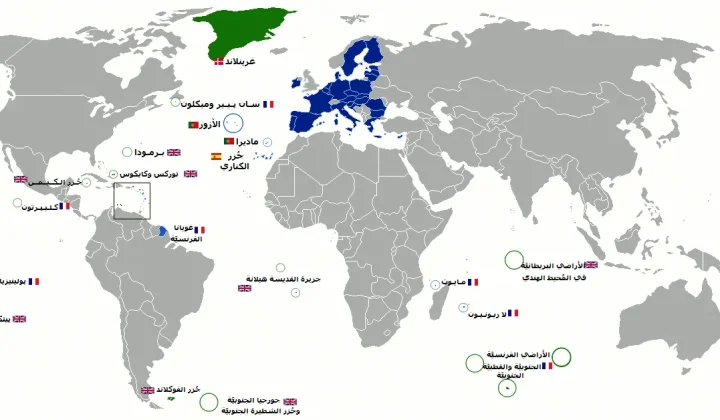
Mayotte fiber dispute does not meet ReviewArticle’s AI news brief
Le Monde reports that France’s competition authority has ordered Orange to suspend part of its fiber-optic rollout in Mayotte. The dispute is…
Read article
DiffEEG Model Uses Diffusion Pre-Training to Improve Seizure Detection from Minimal Labeled Data
Researchers have introduced DiffEEG, a 9.6-million-parameter foundation model that combines denoising diffusion pre-training with reinforcement learning fine-tuning to detect seizure events from…
Read article
The Technology Trap: Why AI Cannot Escape the Unchanging Fundamentals of War
A new Foreign Affairs essay by former Pentagon official Mara Karlin warns that over-reliance on AI and advanced tech in military planning…
Read articleWiki relacionada

AI Model API Pricing and Context Window Comparison: Current Rates and Limits
Compare the latest API pricing, context windows, and capabilities of leading AI model providers including OpenAI, Anthropic, Google, and Mistral. Practical guidance…
Read article
AI Agent Evaluation Frameworks: How to Benchmark Agentic Systems
A practical guide to evaluating AI agents — from task completion metrics to safety, cost, and robustness. Covers major frameworks, primary sources,…
Read article
LLM Benchmarks Decoded: What MMLU, HumanEval, and GSM8K Actually Measure for Developers
A developer-focused breakdown of the most-cited LLM benchmarks — MMLU, HumanEval, GSM8K, MATH, Chatbot Arena — including what they test, their hidden…
Read article
What Is RAG? A Practical Guide to Retrieval-Augmented Generation in 2025
Retrieval-Augmented Generation (RAG) grounds LLM outputs in external data, reducing hallucinations and enabling enterprise use cases. This guide covers how RAG works,…
Read article