
Prescribed Burns Show 92% Reduction in Extreme Wildfire Probability, Study Finds
A new study published in Science validates the effectiveness of prescribed burns in significantly reducing the likelihood of extreme wildfires, offering a vital tool to combat escalating fire risks driven by climate change and rural abandonment.
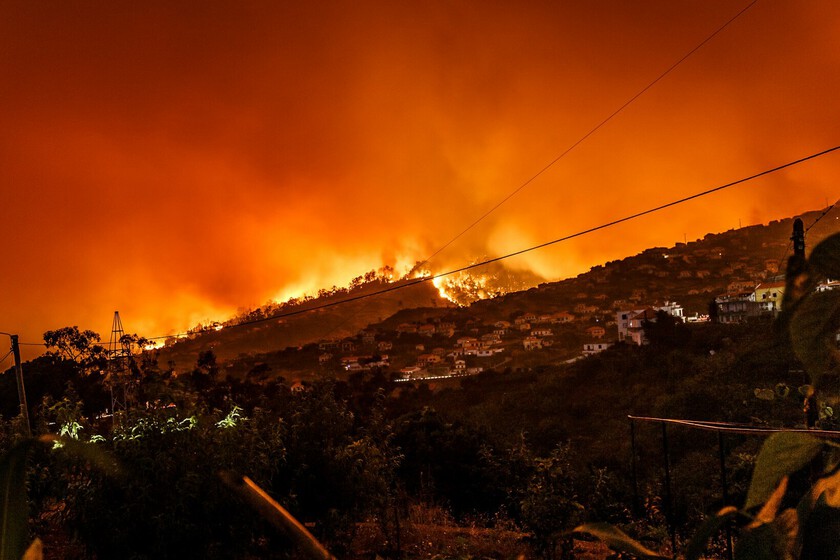
A recent study published in the esteemed journal Science provides robust evidence for the efficacy of prescribed burns in mitigating the risk of extreme wildfires. The research indicates that implementing low-severity burns can lead to an immediate 92% reduction in the probability of high-severity wildfires occurring in the same location. This “vaccine effect” can last for up to a decade and extend its protective radius up to five kilometers beyond the treated zone.
The findings come at a critical time, as climate change and rural abandonment have created conditions in many regions, including Spain, where forests have become highly susceptible to intense, uncontrollable fires. These megafires not only cause ecological devastation but also release vast plumes of toxic smoke that can impact populations hundreds of kilometers away.
How Prescribed Burns Work
The core principle behind prescribed burns, also known as controlled burns, lies in managing fuel continuity. Víctor Resco de Dios, a professor of Forest Engineering and Global Change at the University of Lleida, explains that the smoke produced by these controlled events is significantly less than that from uncontrolled wildfires. When a wildfire encounters an area that has been previously managed with controlled fires, its intensity is drastically reduced. The fire is more likely to stay on the ground rather than spreading to the tree canopies, giving firefighting teams a crucial window to intervene and suppress the blaze, thereby minimizing overall smoke emission.
Impact on Air Quality
One of the most significant implications of this research, according to the study, relates to air quality. Large wildfires release fine particulate matter that poses a serious health risk to the lungs. The study’s researchers estimate that in a region like California, burning 500,000 acres annually through prescribed methods could reduce accumulated airborne microparticle pollution by approximately 10%.
Geographic Considerations and Applicability in Spain
While the study’s compelling data originates from analyses of coniferous forests in California, experts caution that direct application to other regions, such as Spain, requires careful consideration. Víctor Fernández García, an expert cited by SMC, points out that “California is not Spain.” The landscape and forest types differ significantly. In the western United States or Mexican oak forests, prescribed burns can be implemented on a landscape scale. However, in Spain, their use is currently “very puntual” and localized. This is partly due to the need for surgical precision when managing burns in Spain, where native species like Pinus nigra and Pinus pinaster are highly fire-resistant, requiring tailored approaches.
Despite these differences, the underlying principle remains valuable. Experts like Fernández García acknowledge that decades of rural abandonment in Spain have led to a significant accumulation of fuel in forests, increasing the likelihood of extreme fires. Therefore, even if not implemented on the same scale as in California, practices like low-risk fire grazing and controlled burns offer a useful warning and potential strategy for enhancing forest resilience in Spain.
Key Facts
| Aspect | Finding | Impact |
|---|---|---|
| Prescribed Burn Efficacy | 92% reduction in extreme wildfire probability in treated areas | Significantly lowers risk of destructive, high-intensity wildfires |
| Duration of Effect | Up to 10 years | Provides long-term protection against severe fire events |
| Protective Radius | Up to 5 kilometers beyond treated area | Creates buffer zones against fire spread |
| Air Quality | Potential 10% reduction in airborne microparticles (California study) | Mitigates health risks associated with wildfire smoke pollution |
| Applicability | Varies by region; requires tailored approaches | Highlights need for localized strategies, especially in diverse ecosystems like Spain |
This research underscores the critical role of proactive forest management in an era of increasing wildfire threats. The validation of prescribed burns as a scientifically supported tool for reducing extreme fire risk offers a vital strategy for land managers, policymakers, and communities seeking to protect both natural landscapes and public health from the devastating consequences of wildfires. The findings provide a strong impetus for further research and implementation of such controlled methods, adapted to local ecological conditions.
Source: Un experto forestal tiene claro el problema de España: “Hemos acumulado combustible y aumentado la probabilidad de incendios extremos” – Xataka, https://www.xataka.com/ecologia-y-naturaleza/experto-forestal-tiene-claro-problema-espana-hemos-acumulado-combustible-aumentado-probabilidad-incendios-extremos
Source
Xataka IA Publicacion original: 2026-06-18T08:00:17+00:00
Related articles
OCU Finds Spanish Homeowner Communities Overpaying Up to €1,500 on Electricity and €3,515 on Gas—Can AI Tools Optimize Shared Energy Bills?
A new OCU analysis of Spanish homeowner community bills reveals widespread overpayment due to non-competitive tariffs and excess contracted power. Could AI-driven…
Read article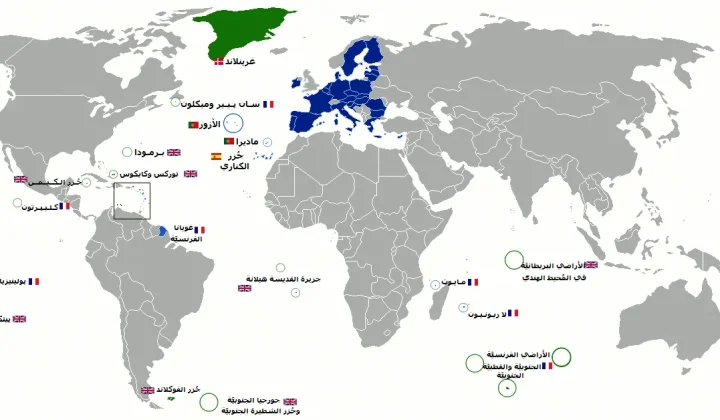
Mayotte fiber dispute does not meet ReviewArticle’s AI news brief
Le Monde reports that France’s competition authority has ordered Orange to suspend part of its fiber-optic rollout in Mayotte. The dispute is…
Read article
DiffEEG Model Uses Diffusion Pre-Training to Improve Seizure Detection from Minimal Labeled Data
Researchers have introduced DiffEEG, a 9.6-million-parameter foundation model that combines denoising diffusion pre-training with reinforcement learning fine-tuning to detect seizure events from…
Read article
The Technology Trap: Why AI Cannot Escape the Unchanging Fundamentals of War
A new Foreign Affairs essay by former Pentagon official Mara Karlin warns that over-reliance on AI and advanced tech in military planning…
Read articleWiki relacionada

AI Model API Pricing and Context Window Comparison: Current Rates and Limits
Compare the latest API pricing, context windows, and capabilities of leading AI model providers including OpenAI, Anthropic, Google, and Mistral. Practical guidance…
Read article
AI Agent Evaluation Frameworks: How to Benchmark Agentic Systems
A practical guide to evaluating AI agents — from task completion metrics to safety, cost, and robustness. Covers major frameworks, primary sources,…
Read article
LLM Benchmarks Decoded: What MMLU, HumanEval, and GSM8K Actually Measure for Developers
A developer-focused breakdown of the most-cited LLM benchmarks — MMLU, HumanEval, GSM8K, MATH, Chatbot Arena — including what they test, their hidden…
Read article
What Is RAG? A Practical Guide to Retrieval-Augmented Generation in 2025
Retrieval-Augmented Generation (RAG) grounds LLM outputs in external data, reducing hallucinations and enabling enterprise use cases. This guide covers how RAG works,…
Read article