
Air Pollution Linked to Gum Disease: New Research Points to PM2.5 as a Cofactor in Periodontitis
A new animal study from Brazil suggests that fine particulate matter (PM2.5) can worsen pre-existing gum disease, adding to growing evidence that air pollution is a significant risk factor for oral health problems.
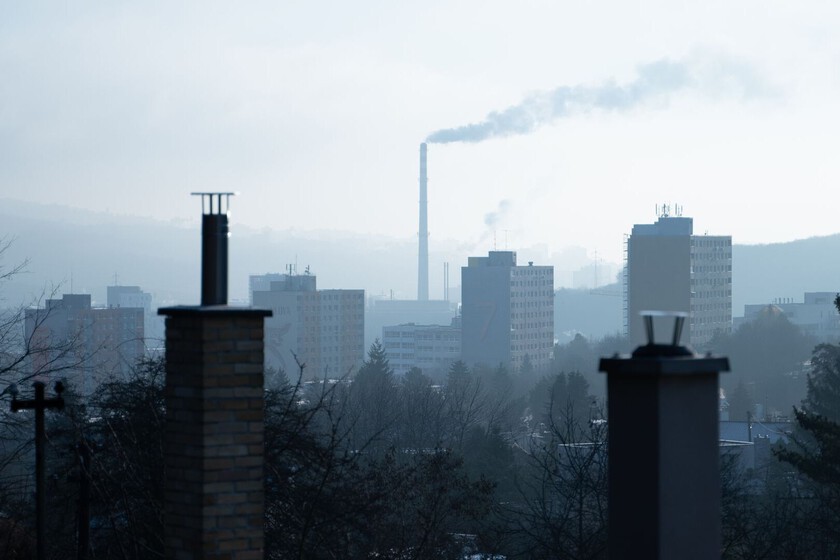
A growing body of research is establishing a link between air pollution and oral health, with a new animal study providing direct evidence that fine particulate matter (PM2.5) can aggravate pre-existing gum disease. The findings, published by researchers in Brazil, suggest that PM2.5 acts as a cofactor that worsens periodontitis rather than causing it directly, but the implications for public health in polluted urban areas are significant.
The study, conducted by scientists at the University of São Paulo, exposed 40 male mice to either filtered air or concentrated PM2.5 particles collected from a high-traffic area in São Paulo. The exposure levels reached 600 µg/m³, approximately 20 times the average ambient concentration of 22 µg/m³ recorded during the study period. After 30 or 60 days of exposure, some mice also received microinjections of bacterial lipopolysaccharide to artificially induce periodontal inflammation.
Por que importa
Key facts
| Aspect | Detail |
|---|---|
| Study focus | Effect of PM2.5 on periodontal health in mice |
| Key finding | PM2.5 worsens pre-existing gum disease, not a primary cause |
| Human evidence | Studies in China and South Korea show increased periodontitis risk |
| Contradictory data | A 2025 Colombian study found no link between PM2.5 and severe periodontitis |
Inflammatory and oxidative damage
The researchers observed that PM2.5 exposure triggered inflammatory and oxidative changes in the tongue and periodontium of the rodents. These included hyperkeratosis, epithelial disorganization, and elevated inflammatory markers. Critically, the damage was significantly worse in mice that already had induced periodontal inflammation. In these animals, PM2.5 exposure reduced the alveolar bone volume fraction, a key indicator of periodontitis severity. The study presents PM2.5 as a cofactor that exacerbates an existing condition, not as a primary cause of periodontitis on its own. The scientists measured alveolar bone loss using microtomography, but did not assess tooth mobility or tooth loss.
Limitations in translating to humans
The study has several important limitations. It was conducted exclusively on young male mice, and the PM2.5 dose was designed to accelerate biological mechanisms in a controlled environment, making it difficult to calculate long-term effects in humans. The researchers did not evaluate tooth mobility or loss, which are clinically relevant outcomes for periodontitis.
Contexto
Human epidemiological studies provide mixed but suggestive evidence. A large study across 96 cities in China found that long-term increases in PM2.5 raised the risk of periodontitis by 7 to 9 percent. Another investigation in South Korea, involving over 42,000 participants, linked higher levels of larger PM10 particles to a greater prevalence of the condition. However, a 2025 study in Colombia found no association between PM2.5 levels and severe periodontitis, even after analyzing average exposures of up to ten years.
Practical impact and public health implications
For residents of densely populated, polluted cities, this research adds to the evidence that air quality may be a modifiable risk factor for gum disease. While the direct causal pathway in humans remains unconfirmed, the study reinforces the need for further research and suggests that individuals with existing periodontal issues may be more vulnerable to the effects of poor air quality. The findings also highlight the importance of considering environmental factors in dental health assessments.
Source: Xataka IA – https://www.xataka.com/medicina-y-salud/te-duelen-dientes-cada-vez-tenemos-claro-uno-culpables-contaminacion-aire-se-infiltra-nuestras-encias
Source
Xataka IA Publicacion original: 2026-10-03T17:01:20+00:00
Related articles

Trump Announces Deal for Russia to Resume Diesel Sales to US as Zelensky Warns of ‘Gift to Putin’
The US Treasury’s OFAC issued a temporary license allowing Russian diesel imports through April 2027. President Trump claims the deal will lower…
Read article
Why the 24-Hour Day Is a Convenient Fiction, Not a Scientific Fact
The 24-hour day is an average, not a constant. Earth’s elliptical orbit and axial tilt mean most days are slightly shorter or…
Read article
Lightweight AI Framework Turns Smartphone Photos of Paper ECGs Into Heart Attack Screenings
A new compute-light framework called ECGLight can digitize paper ECG printouts from a smartphone photo and screen for myocardial infarction in under…
Read article
AWS CEO Warns Over 100 US Data Center Moratoriums Risk “Potentially Irreparable” Damage to AI Leadership
Amazon Web Services CEO Matt Garman warns that more than 100 local moratoriums on data center construction across the US threaten the…
Read articleWiki relacionada

AI Model API Pricing and Context Window Comparison: Current Rates and Limits
Compare the latest API pricing, context windows, and capabilities of leading AI model providers including OpenAI, Anthropic, Google, and Mistral. Practical guidance…
Read article
AI Agent Evaluation Frameworks: How to Benchmark Agentic Systems
A practical guide to evaluating AI agents — from task completion metrics to safety, cost, and robustness. Covers major frameworks, primary sources,…
Read article
LLM Benchmarks Decoded: What MMLU, HumanEval, and GSM8K Actually Measure for Developers
A developer-focused breakdown of the most-cited LLM benchmarks — MMLU, HumanEval, GSM8K, MATH, Chatbot Arena — including what they test, their hidden…
Read article
What Is RAG? A Practical Guide to Retrieval-Augmented Generation in 2025
Retrieval-Augmented Generation (RAG) grounds LLM outputs in external data, reducing hallucinations and enabling enterprise use cases. This guide covers how RAG works,…
Read article